Category: Strategy

  • Lead by Example (Show Up Early and Stay Late)

    Lead by Example (Show Up Early and Stay Late)

    How to Lead Like Elon: Show Up Early, Stay Late, and Embed Yourself in the Action.

    Elon leads his companies from the trenches, not some holier than thou ivory tower.  

    At SpaceX offices he has a cubicle like everyone else, not a walled off office.  He says this is because doors prevent communication, so they use cubicles so communication can flow more easily. 

    At Tesla he has a desk on the factory floor.  His area is very clean and on point, with few items to feature.  All that was on the desk was a computer, sunglasses and his keys.

    By being deeply entrenched in the technology Elon is able to expedite efficiencies and fix problems in real time.

    Elon identifies as an Engineer more so than a suit and tie CEO: “I encounter CEO’s who don’t know the details of their technology and that’s ridiculous to me.

    Elon started from the first prototypes and earned his place at the top.  His willingness to stay hungry and keep working hard despite massive success is a big part of what keeps his companies on top.

    Elon does not walk around SpaceX campus in a suit like he owns the place – even though he does own the place.

    He lives in a humble $69,000 boxabl house ($50k + upgrades) he rents on site.

    Elon has also been known to sleep on the Tesla factory floor in a sleeping bag or in the board room.
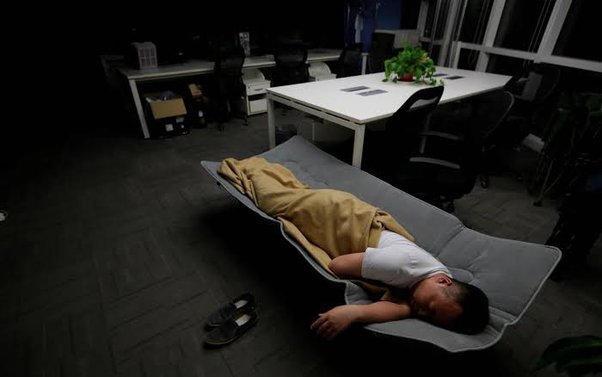
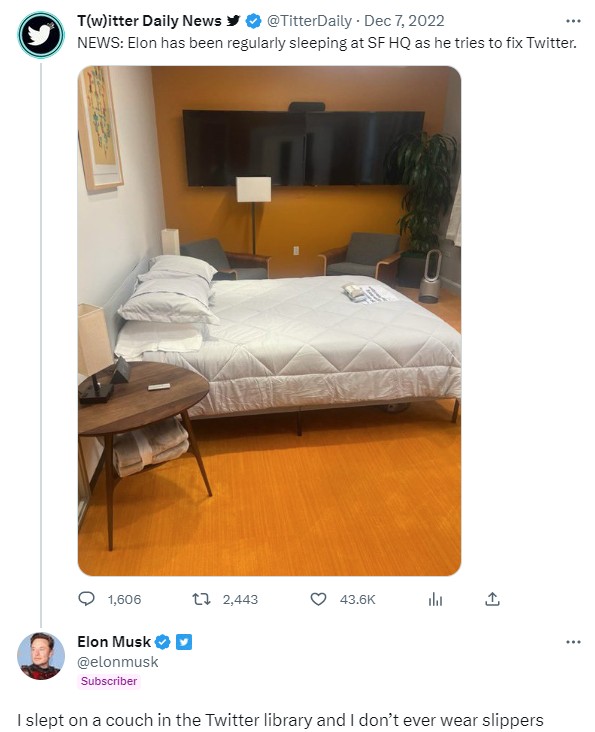
    When Elon bought Twitter recently he slept there also, in a library room.
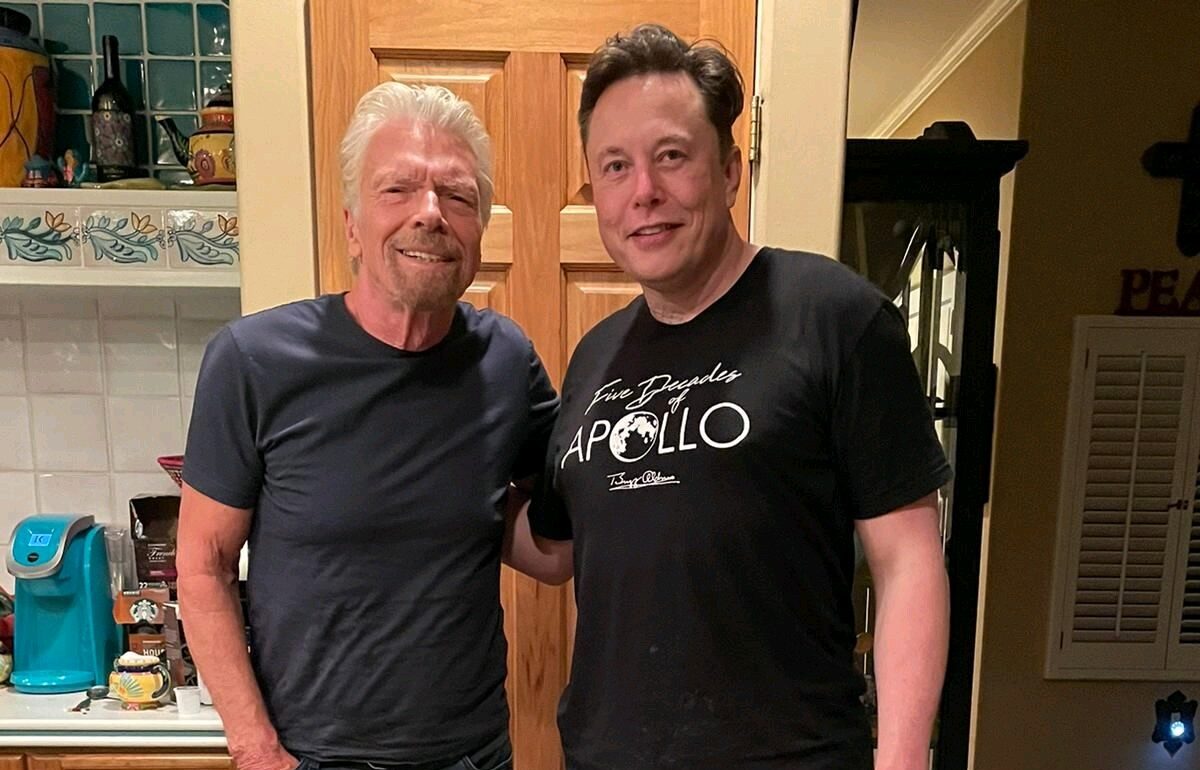
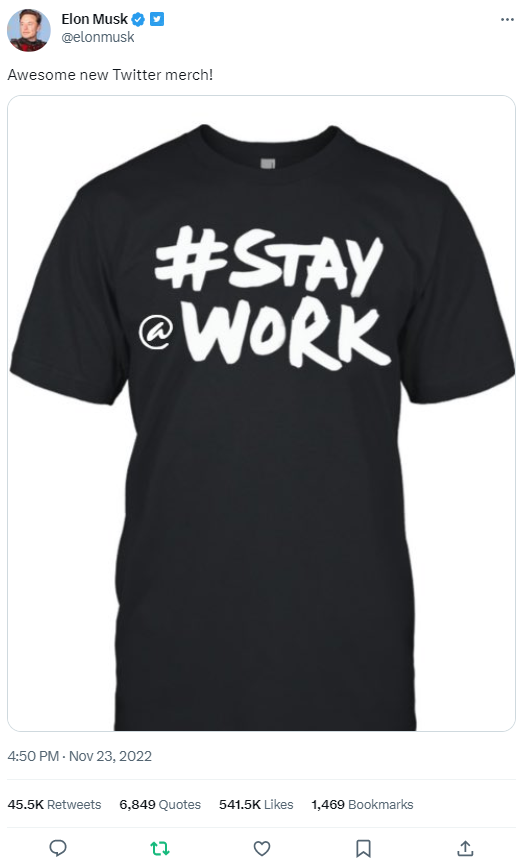
    He also created this shirt as a play on #staywoke merch he found at Twitter.
  • Make People Wait (Timing is Everything)

    Make People Wait (Timing is Everything)

    The Power of Strategic Delays

    Elon is notorious for running late.

    When he was a kid his brother Kimbal would tell him the actual time was ahead of time so Elon would make it to the bus on time for school.

    These days Elon claims to still have a problem with punctuality but people are definitely willing to wait.

    Waiting builds anticipation…

    The Tesla Plaid event was one of many great examples of this.  Rather than launching exactly on time the June 2021 event was scheduled for…

    It started 21 minutes late.

    The Tesla 2021 Q2 earning call (which blew everyone away with Tesla netting over a billion in profit) started a few minutes late as well.

    The reason for these delays I believe is a strategic one.

    Elon has said “Timing is everything” in the past and he certainly is not ignorant of the importance of time.

    A smart sales strategy is to spend as much time with your prospect as possible.

    Long form webinars often have a superior conversion rate to short webinars for high priced products, for example.

    This is because people value their time and when more time is invested there is more pressure for people to take action so they can realize a positive ROI for their time spent.

    Another example of this is the “sideways sales letter” product launch formula pioneered by Jeff Walker.

    This formula has produced over a billion in launches and leverages anticipation built by a series of videos over a week or so launch sequence to maximize profit on launch day.

    Make people wait and – so long as you don’t piss them off and make them leave – you get more power in the situation.

    Anticipation amplifies enjoyment when the product/service waited for finally comes through.

    How Musk’s Timing Works

    • Timeboxing/Time-Blocking: He divides his day into tiny, fixed blocks (often 5 minutes) for specific tasks (engineering, emails, family).
    • Task Batching: Grouping similar tasks together to handle them efficiently.
    • Prioritization: Focusing on core engineering and manufacturing problems, spending most time there.
    • Eliminating Decisions: Pre-planning prevents wasting time deciding what to do next. 

    The Core Philosophy

    • Work Expands to Fill Time: He uses strict blocks to prevent tasks from taking longer than they should (Parkinson’s Law).
    • Feedback Loops: He constantly refines his schedule using feedback to improve efficiency.
  • Humanity Becoming Multi-Planetary Is Important

    Humanity Becoming Multi-Planetary Is Important

    Multi-Planetary Life: The Key to Survival, Competition, and Greater Happiness

    When life becomes multi-planetary humanity and consciousness will effectively have a back up plan.

    And another option for survival if life on Earth becomes too boring, dangerous, polluted, corrupt, etc.

    Competition creates a more compelling situation for everyone involved.

    If life/laws/etc become better on Mars this will create a pressure for Earth to try harder to keep its inhabitants happy.

    More places for happiness to exist leads to more happiness overall.

  • Have a Sense of Urgency

    Have a Sense of Urgency

    Elon Musk on Urgency: Why Slow and Steady Loses the Race

    The saying “Patience is a virtue” is more harmful than it is beneficial in many situations.

    Urgency is often more of a virtue than patience.

    Without a sense of urgency important tasks will be patiently deferred indefinitely.

    Elon is a man who fully grasps the necessity of urgency for accelerating important advancements.

    Elon’s sense of urgency permeates many of his actions.

    Elon even eats fast and has said “If there was a way that I could not eat, so I could work more, I would not eat. I wish there was a way to get nutrients without sitting down for a meal.”

    Apparently when Elon goes to the washroom he even uses the urinal urgently. 

    Efficiency is an element of everything Elon does.

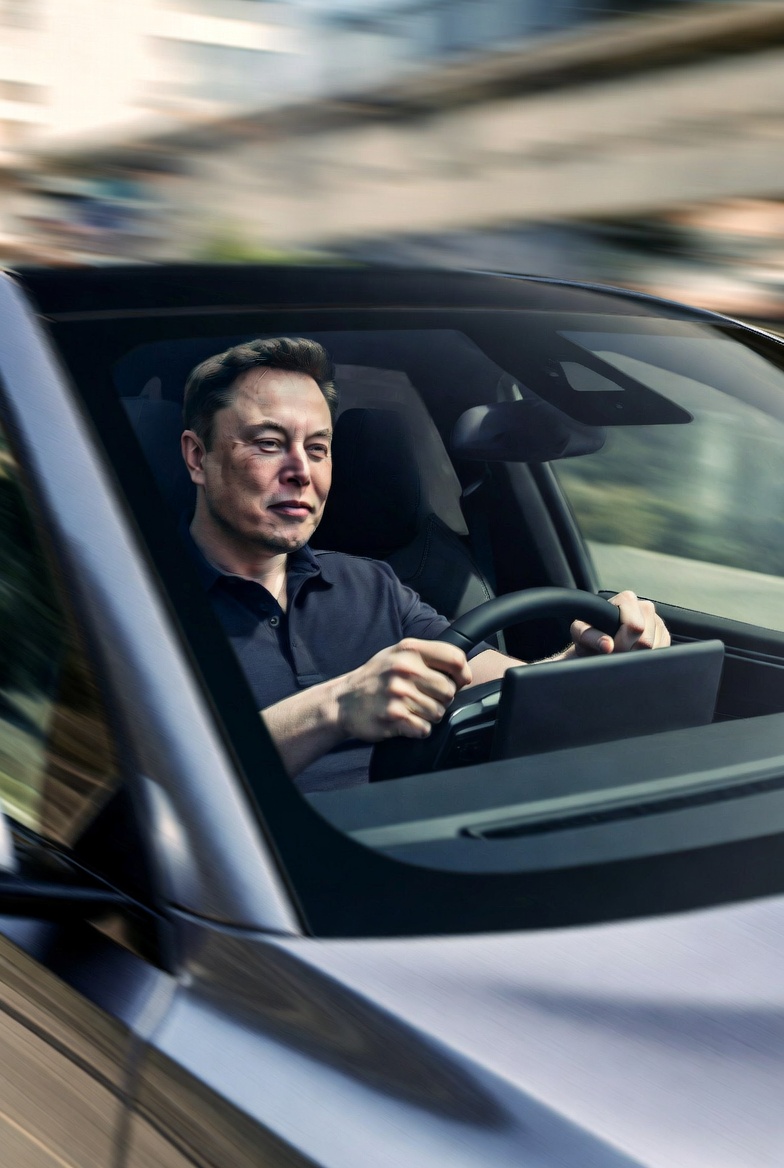
    elon-musk-driving-fast

    In a business context Elon’s sense of urgency manifests itself through the aggressive timelines he sets.  This is especially brilliant.  Aggressive timelines necessitate innovative thinking and an aggressive work ethic.

    The timelines Elon sets are aggressive to the point of borderline unrealistic.  He said his unrealistic expectations are a result of his optimism and it seems like they help his teams get more done in less time.  

    Elon and Tesla do occasionally end up pushing back timelines, but if you zoom out and look at what Tesla has accomplished in the past two decades it’s obvious the urgent timeline strategy is beneficial.

    Even if Tesla and SpaceX companies’ projects are late, they almost accomplish what they set out to do, and are making great progress over time.

    I kind of say when I think it can occur, but then I’m typically optimistic about these things…It pretty much always happens, but not exactly on the timeframe.

    Urgency is certainly an asset when it helps expedite positive results.

    Slow and steady will lose the race to urgent and steady every time.

  • The Most Likely Outcome

    The Most Likely Outcome

    Elon Musk and the Power of Laughter: Why Entertainment Shapes Reality

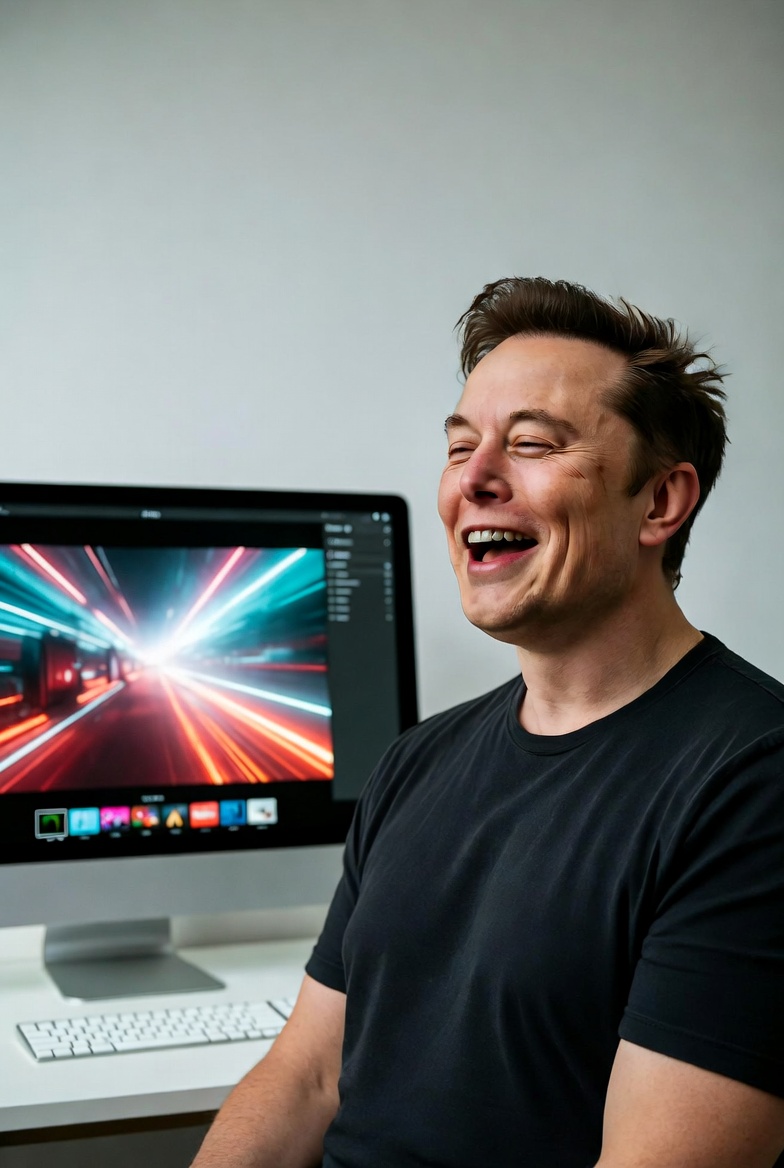
    From posting memes, to hosting a meme review, to cracking jokes on Twitter and everywhere else, Elon Musk is a hilarious man.

    And being funny is a powerful trait.

    Elon said if there is ever a scandal about him *please* call it Elongate.

    elon-musk-laughing

    Laughter is so physically positive many consider it the best medicine.

    There is something instinctive about laughing.  It’s intrinsic.  It’s automatic.  It makes you feel good.

    Laughter is positive.  Like action, it is an antidote to despair.

    Elon gets this and part of the reason he is loved by so many is because he makes a good joke.  

    The most entertaining outcome is the most likely.

  • Never Give Up

    Never Give Up

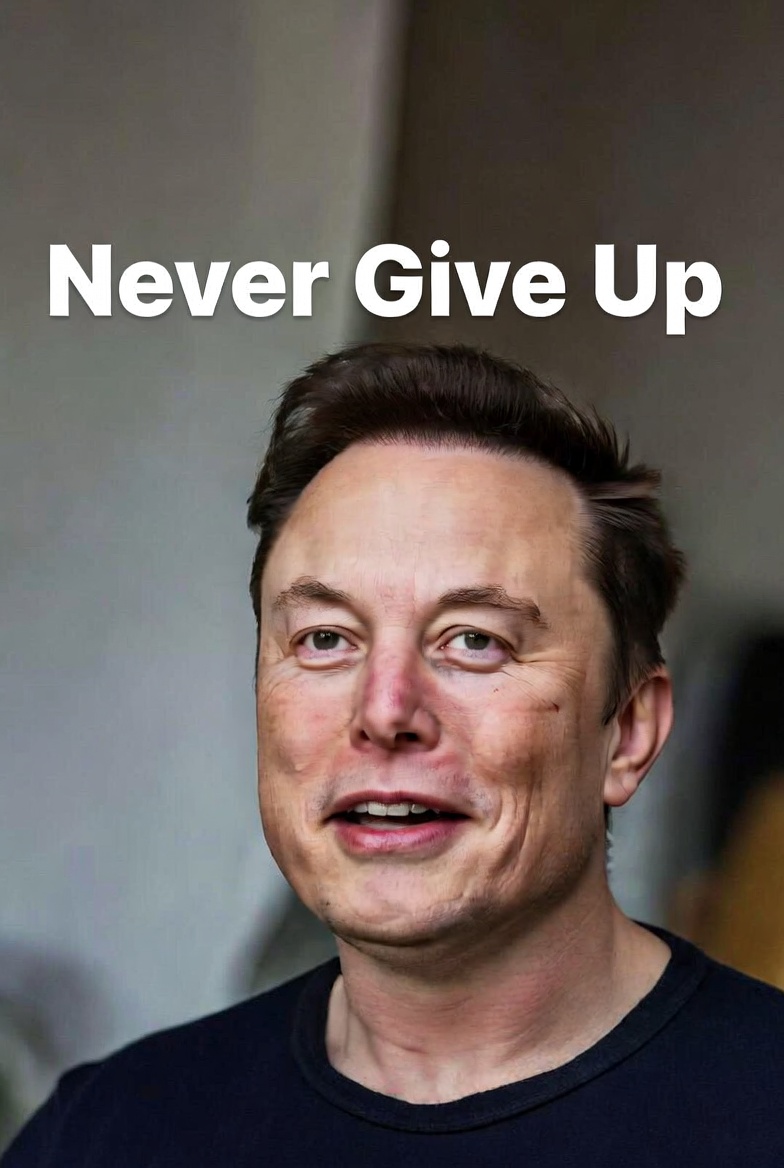
    elon-musk-never-give-up

    Persistence is how you overcome resistance.  An interviewer asked Elon what he thought about the challenges with launching an orbital rocket in the early days of SpaceX.

    Interviewer: After that third rocket failure did you think about giving up?

    Elon: Never. I don’t ever give up. I mean (if I was going to give up) I’d have to be dead or completely incapacitated.

    Try, try harder, and try again.

    And believe in yourself.  You can only achieve great success when you keep trying and truly believe you can.

  • Surround Yourself With Great Friends

    Surround Yourself With Great Friends

    You Are the Company You Keep: Elon Musk’s Path to Billion-Dollar Success

    Certainly after multiple decades thriving in silicon valley Elon has amassed a number of powerful friends.

    Elon’s friends include Richard Branson, Peter Thiel (the first investor in Facebook), Chad Hurley (YouTube co-founder), Reid Hoffman (LinkedIn Founder), Chamath (Facebook & Social Capital) and the list goes on.

    You are the company you keep is an idiom that has stood the test of time, and it certainly seems to hold true for Elon as well.

    The great friends Elon has have helped him achieve great business success.  When Tesla was on the verge of bankruptcy Elon was able to convince Larry Page to get Google to agree to buy Tesla…

    Unfortunately for Larry the deal never went through…

    On the last hour of the last day Elon had to secure financing, on Christmas Eve 2008, Elon was able to get the financing needed to keep Tesla alive.  So the Google acquisition of Tesla did not go through.

    Surrounding yourself with powerful people is a great way to brainstorm brilliant ideas and help each other realize powerful results.

    For better or worse the people you surround yourself with will influence you.  So to maximize the positive effects from your friendships, surround yourself with the best people possible and be ruthless about cutting out and unfriending anyone who proves to be negative.

    Better to have fewer friends than to have negative friends.

  • Learn at Every Opportunity

    Learn at Every Opportunity

    You want to learn as much powerful information as you can.

    Elon elaborates: “It’s great to read books and talk to interesting people, and learn as much as possible…”

    “Maybe it was Plato or Socrates who said: To know everything is to know nothing…”

    So keep an open mind.

    The moment you think you know everything is the moment you fail to learn anything…

    So keep learning.

    If you think you know everything it will be difficult to learn anything.

    At ​​Italian TechWeek Elon elaborated:

    I think you should maximize your feedback loop and your ability to learn.  As soon as you think you know too much and people can’t teach you things that’s when you start getting very dumb…”

    Stay curious.  Keep asking questions.  Be a lifelong learner.

    Audio Books are a Great Way to Learn More

    Elon Musk listens to audio books as he goes to sleep usually.

    Elon is a lover of history and audio books.

    Particularly favoring historical, biographical, and epic works—many with themes of war, civilization, and leadership.

    He often emphasizes listening to classics like ancient epics in audio format, noting that they were originally meant to be spoken.

    Here are some of his most frequently or enthusiastically recommended audiobooks:

    • The Iliad (Penguin Edition, narrated for audiobook): Musk has repeatedly praised this highly, saying “Can’t recommend The Iliad enough!” and recommending the Penguin audiobook at 1.25x speed. He stresses it’s best experienced as a spoken story.
    • The Story of Civilization by Will and Ariel Durant: Tops his list of audiobook recommendations, described as “very much worthwhile” despite its length (multi-volume series on world history).
    • The Road to Serfdom by Friedrich Hayek: Included in his curated audiobook list, focusing on economics and freedom.
    • American Caesar by William Manchester: A biography of Douglas MacArthur, part of his history-focused recommendations.
    • Masters of Doom by David Kushner: About the creators of Doom video games—appeals to Musk’s gaming interests.
    • The Wages of Destruction by Adam Tooze: Economic history of Nazi Germany.
    • Storm of Steel by Ernst Jünger: A WWI memoir.
    • The Guns of August by Barbara Tuchman: On the outbreak of WWI.
    • The Gallic Wars by Julius Caesar: Caesar’s own account of his campaigns.
    • Twelve Against the Gods by William Bolitho: Profiles of historical adventurers.
    • Genghis Khan and the Making of the Modern World by Jack Weatherford: Musk has shown interest in Genghis Khan’s history separately.

    Additionally, he highly recommended the audio version of Destined for War by Graham Allison, saying “could not recommend this book more. Audio version is great.”

  • On The Future of Education

    On The Future of Education

    Elon is much more interested in exceptional ability than he is a college education.

    “I think colleges are for fun and to prove you can do your chores but they are not for learning.”

    “I make sure Tesla recruiting does not have anything that requires University because that’s absurd…but there is a requirement of evidence of exceptional ability.

    If you try to do something exceptional you must have evidence of exceptional ability.

    I don’t consider going to College evidence of exceptional ability.  In fact ideally you dropped out and did something.

    Gates is a pretty smart guy, he dropped out.  Jobs, pretty smart guy, he dropped out.  Larry Ellison, smart guy, he dropped out.  Like: Obviously not needed.” [source 7:10]

    Clearly great success does not require a piece of paper on the wall.

    Of course that’s not to say a College or University degree does not help.  They certainly can.  However with the great proliferation of quality information from excellent schools and individuals online there are plenty of great alternatives to the traditional model.

    Traditionally the schools had a monopoly on information.  They had the books.  But these days it’s different.

    There are plenty of full length lectures from Stanford, Harvard, and a number of other reputable schools.

    edX.org is a truly powerful online resource that contains over 3,000 courses from 160 Colleges, many of them among the worlds best, and it’s totally free.

    Harvard, Stanford, The University of British Columbia, and the National University of Australia are just a few of these institutions you can learn from for free.

    At the time of writing there are 343,710 people learning on edX at this moment.

    I’ve taken an edX course from Harvard and found the quality to be exceptional.  They use the actual lectures and material from the on campus program.

    Learning solutions like Astra Nova, Synthesis and edX are three shining examples of the future of education you can use to learn whatever you want.

  • Learning Without Limits: The Power of Self-Education According to Elon Musk

    Learning Without Limits: The Power of Self-Education According to Elon Musk

    Self-education has immense power potential.

    At the Axel Springer awards show Elon said: “I’m not sure what you couldn’t learn online?

    You can learn right now online for free more than someone who did a doctorate could do before.”

    “What is the purpose of Universities at this point?

    I think it’s mostly just to hang out with peers.  Have some fun and talk to friends.

    It’s important to remember that Elon is not talking trash about education…he is criticising overly expensive schools for under delivering.

    And since Elon has co-founded a school, Astra Nova (Latin for bright star), he is not only defining the problem but also doing something about it.

    And if you want to optimize your education you should create lifelong habits for self-learning.

    Here are 10 powerful habits for self-learning that work across any subject or skill:

    1. Set clear learning goals
      Define what you want to learn and why.
      Break big goals into small, measurable milestones.
    2. Learn a little every day
      Consistency beats intensity.
      Even 20–30 minutes daily compounds faster than occasional long sessions.
    3. Ask good questions
      Don’t just consume information—challenge it.
      Ask why, how, and what if.
    4. Practice active learning
      Take notes in your own words, summarize what you learned, teach it to someone else, or apply it immediately.
    5. Use multiple sources
      Books, videos, courses, articles, forums—different perspectives deepen understanding and reveal gaps.
    6. Build projects or real examples
      Apply what you learn to real problems.
      Projects turn theory into skill.
    7. Track progress and reflect
      Keep a learning journal or checklist.
      Review what worked, what didn’t, and what to improve.
    8. Embrace mistakes and feedback
      Treat errors as data, not failure.
      Seek feedback early and often.
    9. Manage distractions intentionally
      Create focused learning blocks.
      Silence notifications and choose an environment that supports concentration.
    10. Stay curious and adaptable
      Follow your interests, but be willing to change direction when better resources or approaches appear.